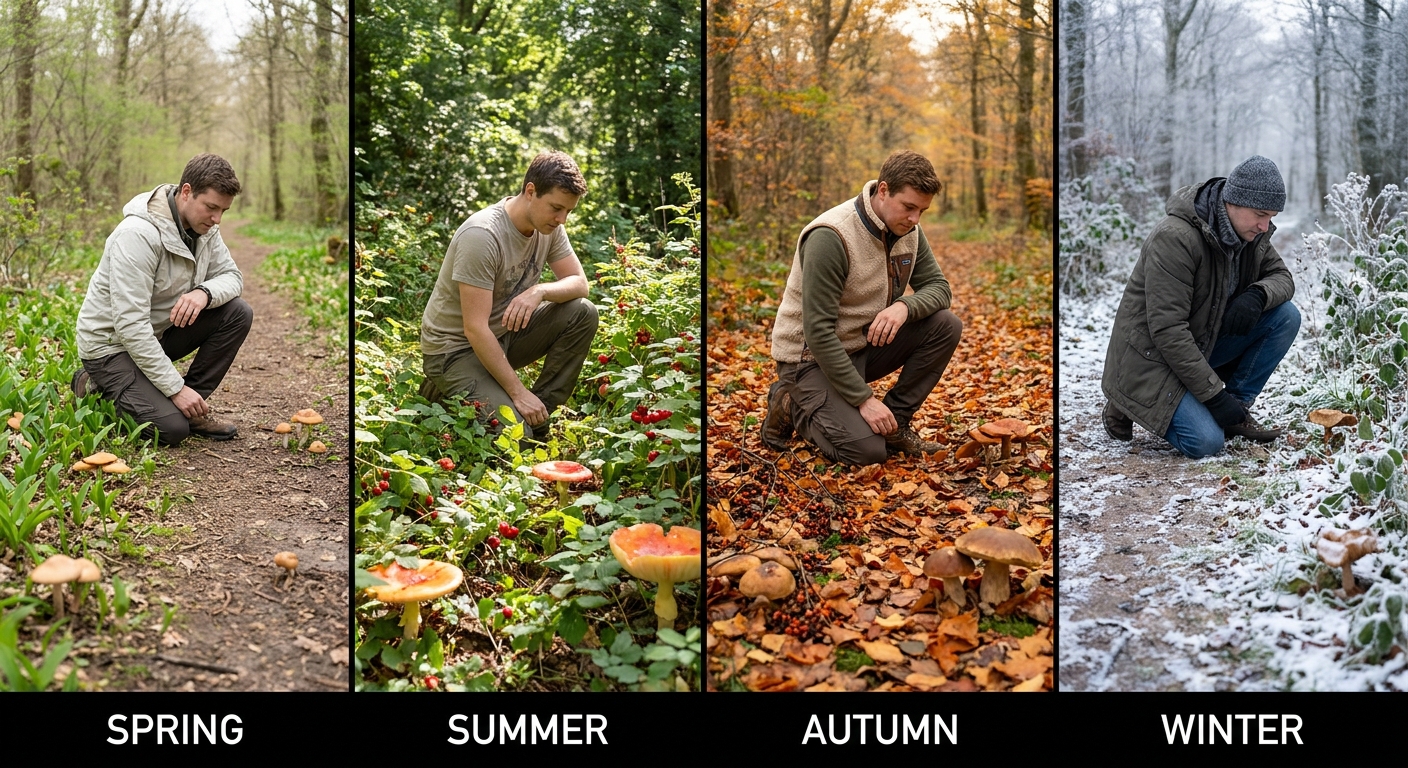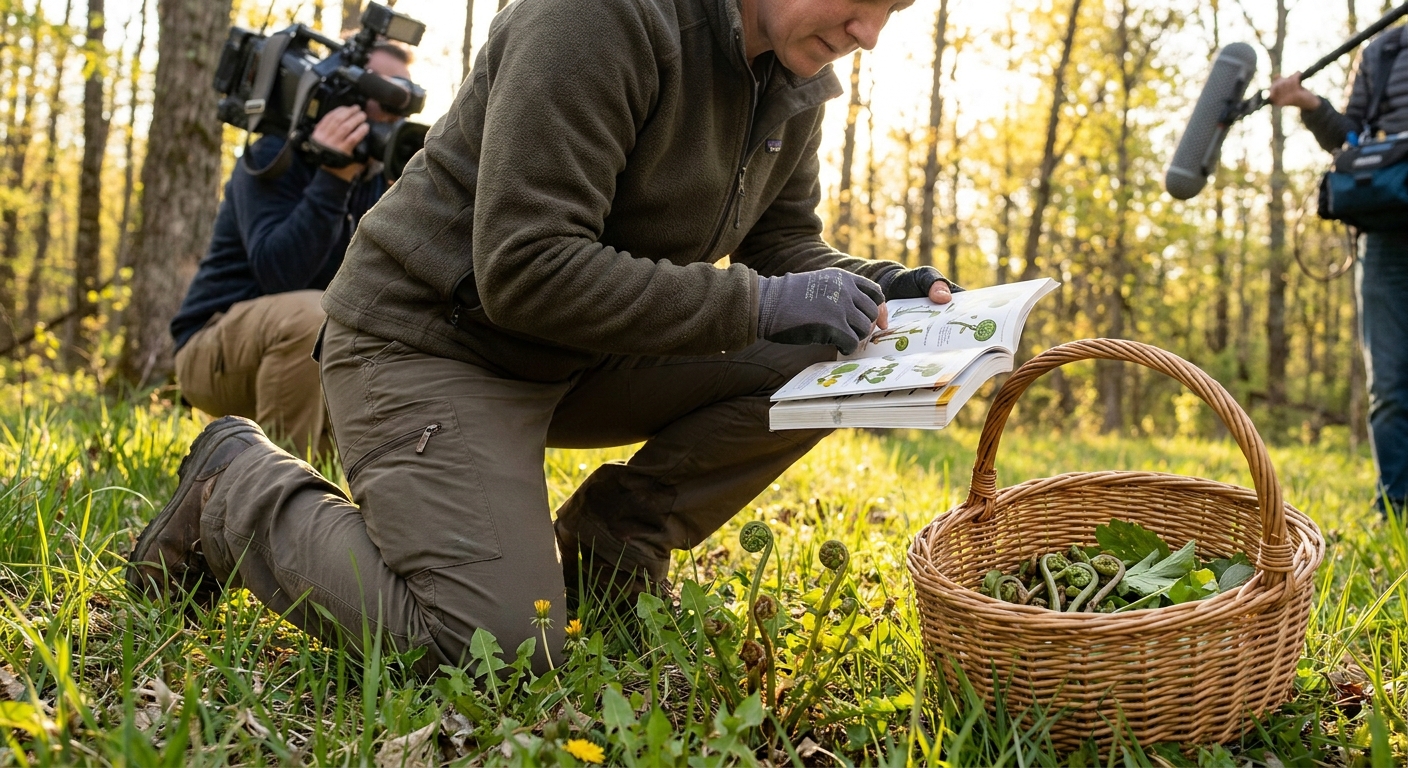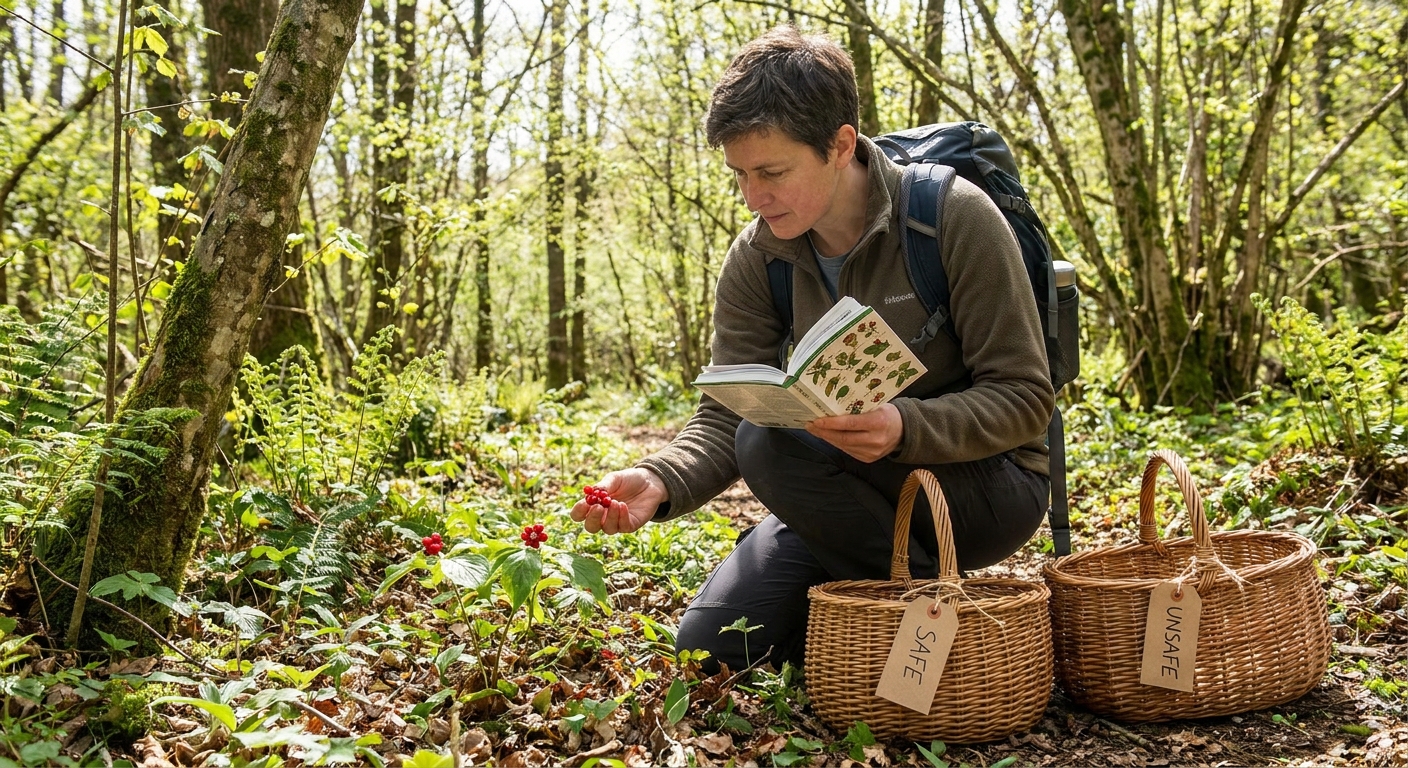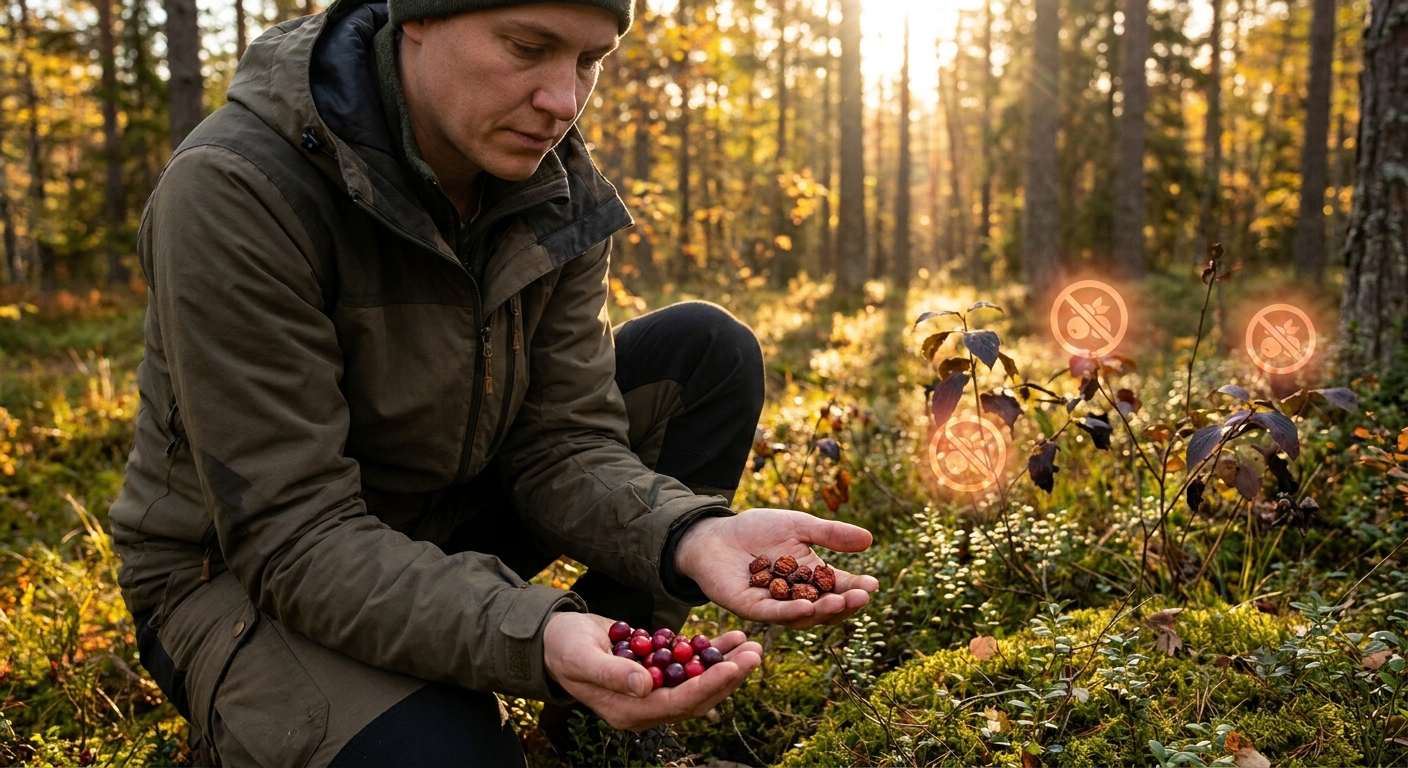
Plants are not static ingredients. They change throughout the year—texture, flavor, and even toxicity can shift with the seasons. A tender, mild shoot in May may become fibrous or mildly irritating by September. Understanding these changes is critical for safe foraging.
Why Season Matters More Than You Think
This guide compares summer and autumn foraging for key wild foods, explaining how plant chemistry and risk profiles evolve so you can time your harvests wisely.
Summer: Peak Greens, Blossoms, and Juicy Fruits
In summer, plants push above ground with maximum vigor. Many focus on:
- Leaf production and photosynthesis
- Flowering and pollination
- Early fruiting and seed set
For foragers, this means abundant greens and bright flavors—but also bittering compounds and insect pressure.
1. Dandelion (Taraxacum officinale)
Summer Profile
- Habitat: Lawns, fields, disturbed soils.
- Food parts in summer: Leaves, flowers.
- Taste: Leaves become more bitter as days lengthen and heat increases.
- More bitter doesn’t mean more toxic with dandelion, but strong bitterness often indicates an increase in protective plant chemicals.
- Harvest young leaves from rosettes in partial shade for milder flavor.
Safety Notes:
Autumn Shift
- Plant shifts energy into root storage.
- Leaves decrease in palatability, but the roots grow thicker and richer in inulin and other compounds.
- Dig roots for roasting as a coffee substitute or for cooking.
- Be cautious of contamination—dandelions thrive in lawns, sidewalks, and roadsides that may be sprayed.
Autumn Use:
2. Common Mallow (Malva neglecta, M. sylvestris)
Summer Profile
- Habitat: Gardens, edges, disturbed soils.
- Key ID:
- Round, palmately veined leaves on long petioles.
- Five-petaled, often pink to purple flowers with darker stripes.
- Low-growing, sprawling habit.
- Food parts: Young leaves, immature seed pods (“cheeses”).
- Texture: Mild, slightly mucilaginous.
- Generally safe and mild; main risks are contamination (dogs, pollutants) and mis-ID with less palatable weedy relatives.
Safety Notes:
Autumn Shift
- Leaves toughen and may become insect-damaged.
- Seed pods mature; some become hard and less appealing.
- Mallow is best as a summer green. By autumn, focus on sturdier species like roots and nuts instead.
Takeaway:
3. Blackberries (Rubus fruticosus aggregate) and Brambles
Summer Profile
- Habitat: Hedgerows, clearings, edges.
- Key ID:
- Arching, thorny canes.
- Compound leaves (usually 3–5 leaflets).
- White to pink flowers followed by green to red immature berries.
- Food parts: Flowers (for teas, syrups), early green shoots in some traditions.
- Thorns are your primary hazard early in the season.
- Some people experience skin irritation from leaves or thorns—gloves help.
Safety Notes:
Late Summer to Autumn Profile
- Berries ripen from red to deep black.
- Leaves stay green late, sometimes into early winter in mild climates.
- Ripe berries are the main prize—sweet, recognizable, and relatively low-risk.
- Berries have few dangerous look-alikes when fully ripe. Still, avoid:
- Unidentified red berries on woody shrubs with very different leaves.
- Berries from ornamental plantings where spraying is likely.
- Young leaves can be dried for tea earlier in the season; autumn leaves are acceptable but may be more tannic.
Autumn Use:
Look‑alike Considerations:
Leaf Use:
Autumn: Roots, Nuts, and Concentrated Energy
In autumn, many plants store energy underground or in seeds and nuts. For foragers, this is the high-calorie season—but also the time when some toxins are concentrated.
4. Wild Carrot / Queen Anne’s Lace (Daucus carota)
Late Summer to Early Autumn Profile
- Habitat: Dry fields, roadsides, meadows.
- Key ID:
- Finely divided, carrot-like leaves.
- Umbels of tiny white flowers, often with a single dark floret in the center.
- Hairy, ridged stems.
- When seed heads mature, they curl inward into a “bird’s nest” shape.
- *Poison hemlock (Conium maculatum):
- Smooth, often purple-blotched stems.
- No carrot smell.
- Highly toxic, potentially fatal.
- Water hemlock (Cicuta spp.):
- Grows in wet areas.
- Coarse, deeply divided leaves.
- One of the most toxic plants in North America.
Crucial Look‑alikes:
Rule: If you are not an expert, do not harvest wild carrot roots. The risk of confusing it with a deadly hemlock is too high.
Autumn Root Considerations
- True wild carrot roots are small, woody, and strong-tasting by autumn.
- They can accumulate environmental contaminants from roadsides and farm runoff.
- For beginners, enjoy learning to identify wild carrot visually and by smell, but do not eat it.
Safe Strategy:
5. Hazelnuts (Corylus spp.)
Summer Profile
- Habitat: Woodland edges, hedgerows.
- Key ID:
- Shrubby tree with rounded, doubly toothed leaves.
- Green, fringed husks forming around developing nuts in summer.
Autumn Profile
- Nuts mature and turn brown.
- Husks turn papery; some nuts fall to the ground.
- Beat the squirrels by checking frequently as nuts begin to brown.
- Inspect for small bore holes—these indicate insect infestation.
- Hazelnuts are relatively distinctive when still attached to the bush.
- The primary risks are nut allergies and harvesting from polluted or sprayed hedgerows.
Foraging Notes:
Safety & Look‑alikes:
6. Rose Hips (Rosa spp.)
Late Summer Profile
- Habitat: Hedgerows, open woods, roadsides.
- Key ID:
- Shrubs with thorns.
- Leaves pinnate with serrated leaflets.
- Flowers: classic wild or shrub roses.
Autumn Profile
- Flowers give way to red to orange hips.
- Hips swell and sweeten after the first frost.
- Hips are rich in vitamin C; used in teas, jams, and syrups.
- Important: Inside the hips are tiny hairs attached to seeds. These hairs can be irritating if eaten.
- Split hips and remove seeds and hairs before making jams or syrups.
- For tea, whole hips are often simmered then strained carefully.
- Some ornamental rose relatives or unrelated shrubs bear red fruits; know the parent plant’s ID before harvesting hips.
Use & Safety:
Preparation:
Look‑alikes:
Understanding Seasonal Chemistry and Risk
1. Bitterness and Tannins
- Summer: Many greens become more bitter under hot sun; this is usually a defense mechanism, not necessarily a poison warning, but it does signal stronger chemistry.
- Autumn: Fruits and nuts often balance sugars and tannins; some (like acorns) need leaching to remove astringent compounds.
2. Storage Organs and Concentrated Compounds
- Roots and bulbs in autumn may hold higher concentrations of both nutrients and toxins.
- Some plants safe as young shoots are unsafe as mature roots or seeds.
- Pokeweed (Phytolacca americana): Young shoots are eaten in some traditions only after specific boil-and-discard preparations; roots, berries, and mature plants are toxic. Best avoided by beginners, regardless of season.
Examples:
3. Insects, Molds, and Decay
- Summer: Insect damage and mildew are common; damaged leaves are not inherently toxic but less desirable.
- Autumn: Fruits that look fine outside may be moldy or fermented inside—especially windfalls.
When in doubt, leave damaged or suspicious specimens for wildlife.
Seasonal Strategy: Matching Harvest to Plant Stage
To forage safely, your goal is to match each plant to its best seasonal window:
- Summer Focus:
- Tender tops of robust greens (lamb’s quarters, amaranth, young bramble leaves for tea).
- Blossoms (elderflowers earlier, late-summer linden blossoms in some regions).
- Fresh berries when fully ripe and well-identified.
- Autumn Focus:
- Nuts from clearly identified trees (hazel, beech, chestnut—avoid horse chestnut).
- Starchy roots from non-toxic, clearly known species (burdock, cattail rhizomes in some locales).
- Late fruits (rose hips, hawthorn berries) with proper processing.
Always ask:
Is this the right part of the plant for this season?
Are there toxic relatives* with similar appearance at this stage?
Does the habitat suggest contamination or spraying?
Final Thoughts
Summer and autumn are generous, but generosity can breed carelessness. By paying attention to how each plant changes, you avoid treating wild foods as static ingredients and instead read them as living, adapting organisms.
Learn a species in at least two seasons before you eat it. Recognize its young form, its flowering form, and its late-season form. That seasonal understanding is your best safety tool—and the key to getting the best flavor at the right time of year.