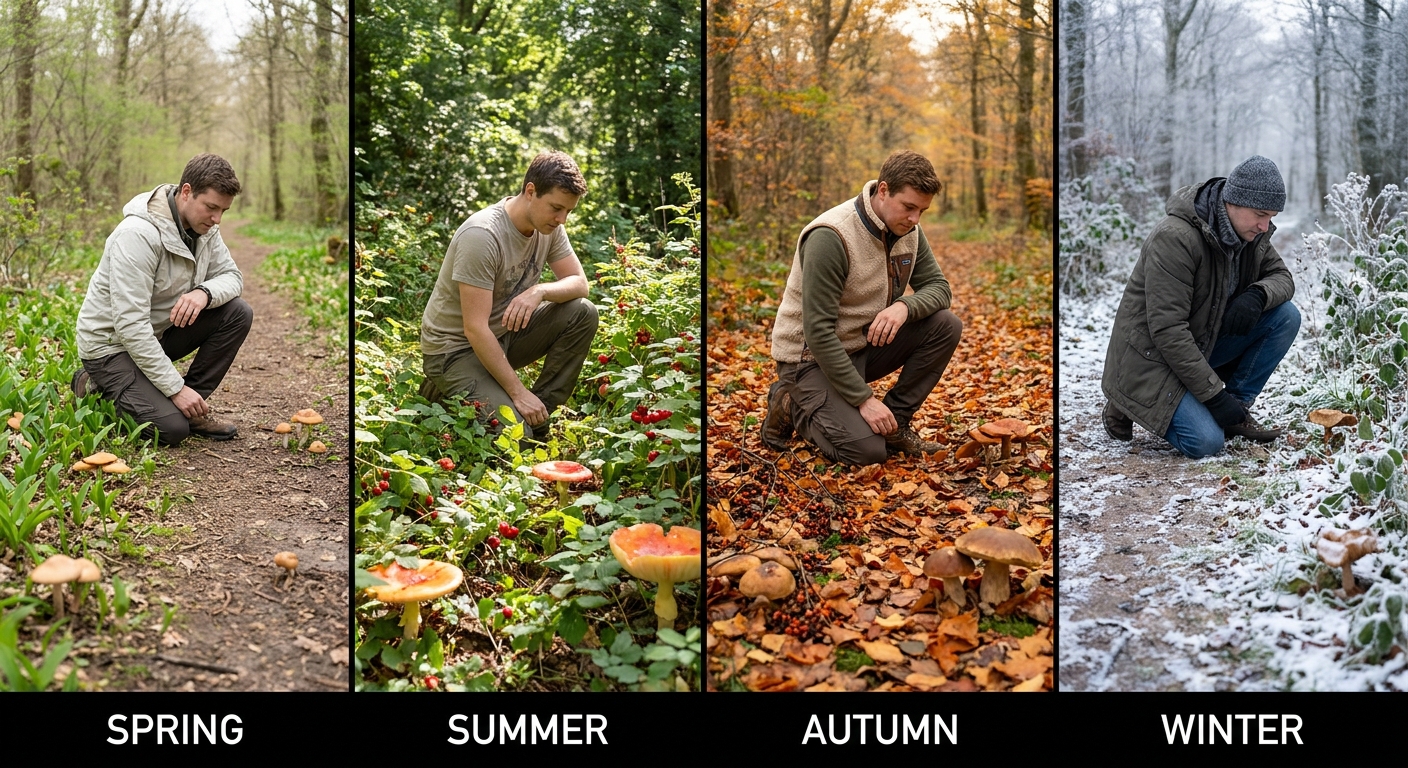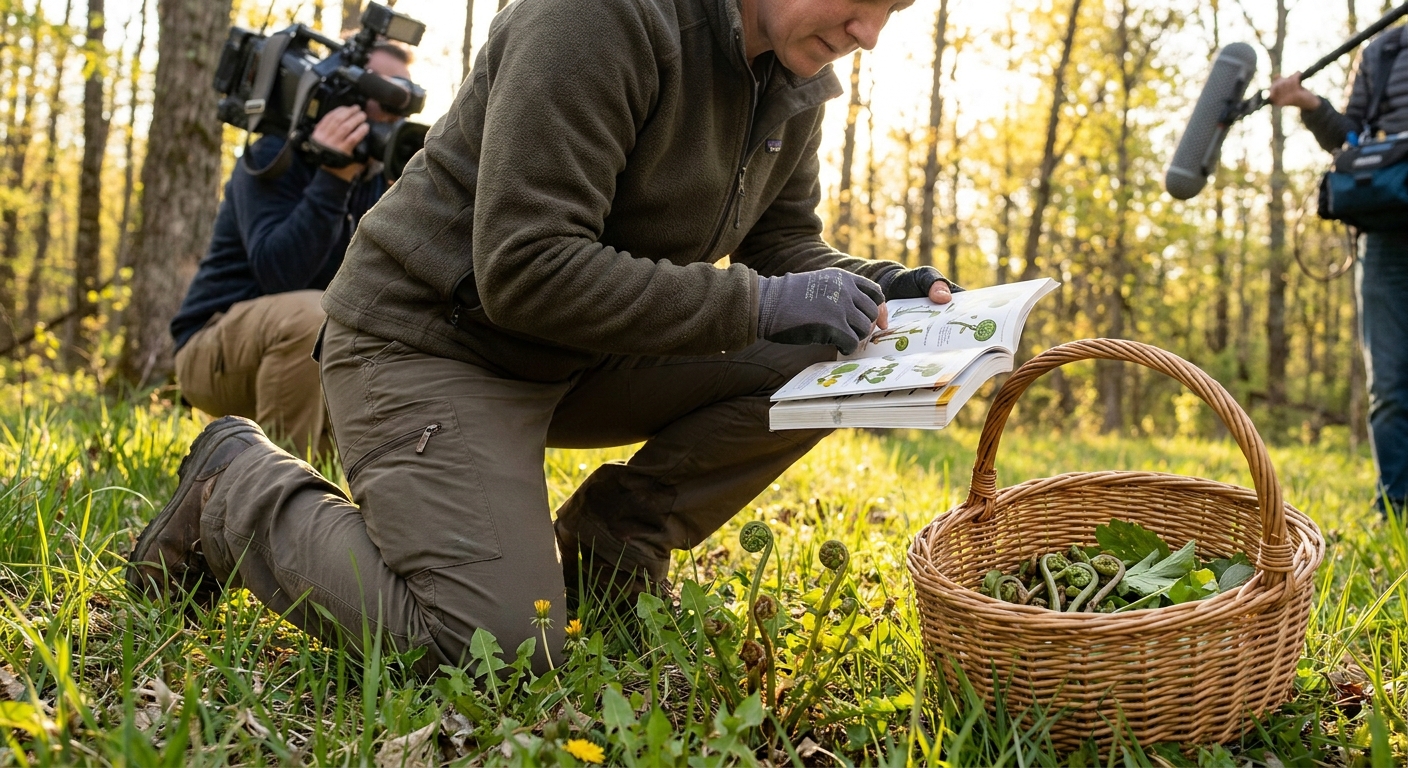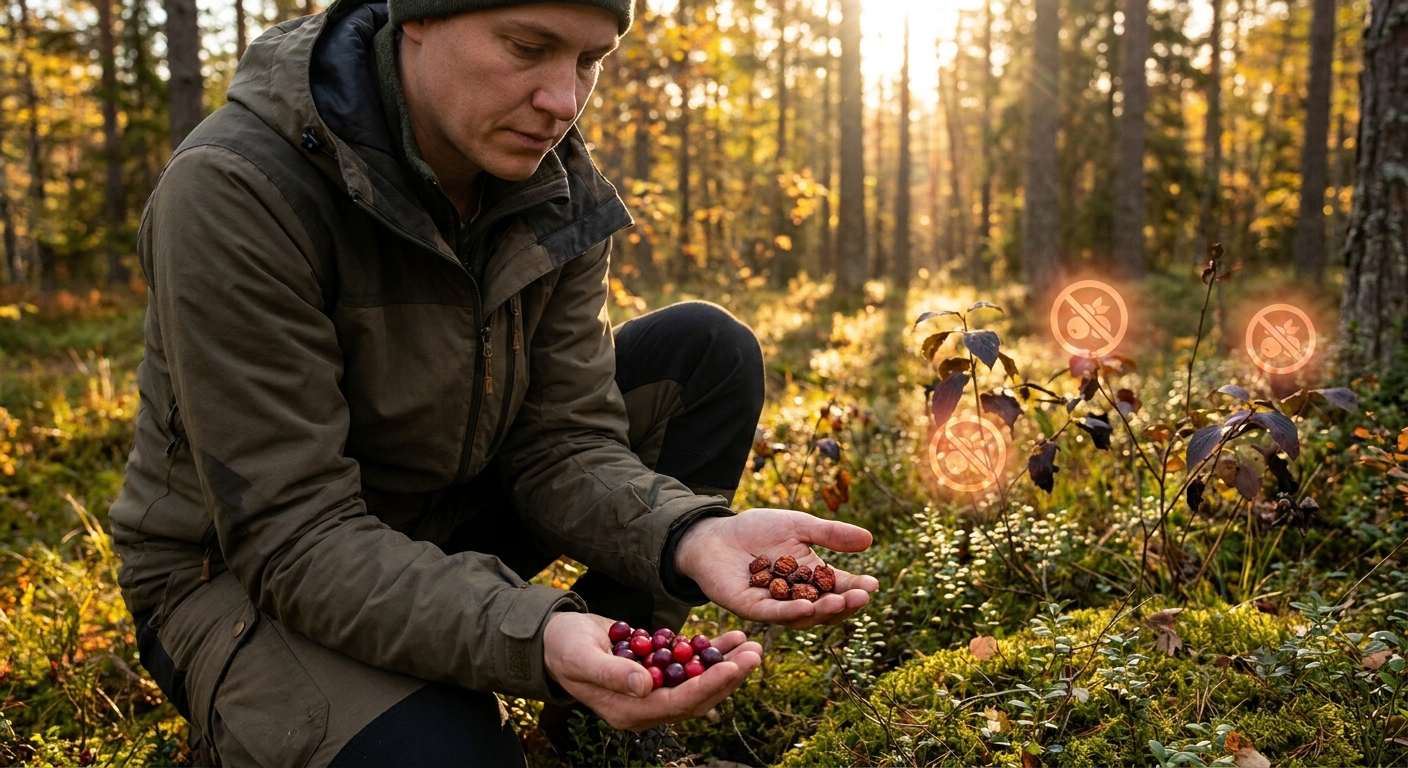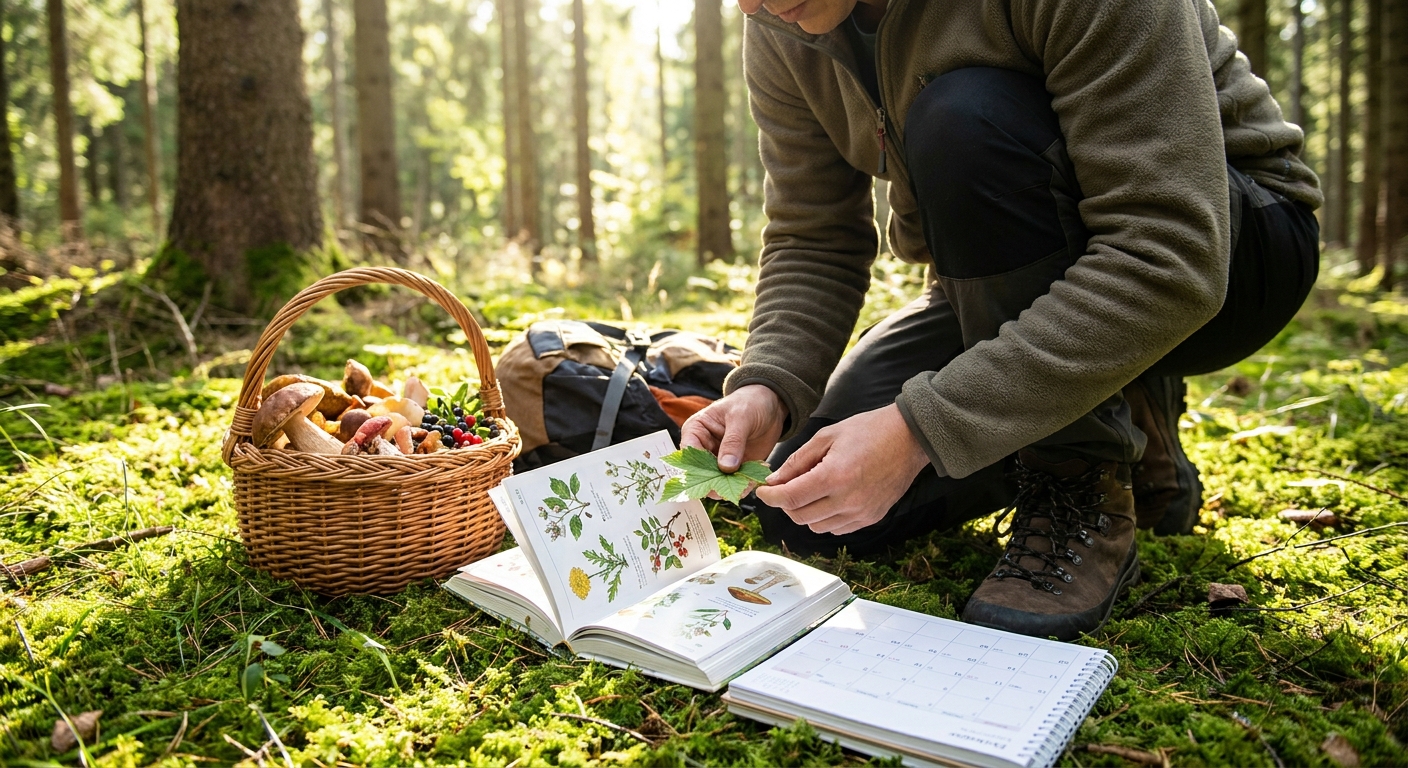
Field guides show what’s possible; a seasonal foraging calendar shows what’s real in your region. Climate, altitude, and microhabitats can shift wild food timing by weeks. Building your own calendar keeps you aligned with:
Why Create Your Own Foraging Calendar?
- Peak flavor and nutrition
- Safer identification windows
- Legal and ethical harvest times
This guide walks you step‑by‑step through creating a personal, safety-focused foraging calendar you can refine year after year.
Step 1: Choose 6–10 “Anchor” Species
Start small. Pick a handful of widely known, comparatively safe plants that are easy to identify and have minimal dangerous look‑alikes in your area.
Example Anchor Species by Season
Early Spring
- Stinging nettle (Urtica dioica)
- Wild garlic or field garlic (Allium spp.)
- Elderflower (Sambucus spp.)
- Lamb’s quarters (Chenopodium album)
- Blackberries / raspberries (Rubus spp.)
- Wild blueberries (Vaccinium spp.)
- Hazelnuts (Corylus spp.)
- Rose hips (Rosa spp.)
- Wintergreen (Gaultheria procumbens)
- Conifer tips/needles for tea (correctly identified fir, spruce, or pine; never yew)
Late Spring to Early Summer
Summer
Autumn
Winter
Adjust this list to your local flora and your experience level. Beginners should avoid high-risk groups like umbellifers (carrot family) for food.
Step 2: Map Out Each Species’ Seasonal Stages
For each anchor species, you’ll record when you first see:
First shoots or leaves
Full vegetative growth
Flowering
Fruit or seed
Dieback or dormancy
Example: Stinging Nettle (Urtica dioica)
- March–April: First shoots; best harvest window for tender leaves.
- May–June: Full growth; still usable if you harvest only young tops.
- July–August: Flowering; leaves may be more irritating and less desirable.
- Autumn–Winter: Above-ground parts die back.
- Gloves needed; stinging hairs can irritate skin.
- Avoid heavily flowering plants for food.
- Cook thoroughly to neutralize sting.
Safety notes to record:
Repeat this process for each species, noting both approximate dates and safety considerations.
Step 3: Use a Simple Calendar Template
Create a 12‑month grid in a notebook, spreadsheet, or wall calendar. For each plant, use color codes or symbols to mark:
- Green band: Ideal harvest window.
- Yellow band: Edible with caution (e.g., older leaves, more bitterness, more prep required).
- Red band: Do not harvest (e.g., flowering nettles, closed elderflower season, etc.).
Example Snippet (Temperate Climate)
| Species | Mar | Apr | May | Jun | Jul | Aug | Sep | Oct | Nov |
|---|---|---|---|---|---|---|---|---|---|
| Nettle | 🟢 | 🟢 | 🟢 | 🟡 | 🔴 | 🔴 | 🔴 | 🔴 | 🔴 |
| Elderflower | 🔴 | 🔴 | 🟢 | 🟢 | 🟡 | 🔴 | 🔴 | 🔴 | 🔴 |
| Blackberries | 🔴 | 🔴 | 🔴 | 🟡 | 🟢 | 🟢 | 🟢 | 🟡 | 🔴 |
| Rose hips | 🔴 | 🔴 | 🔴 | 🔴 | 🔴 | 🔴 | 🟡 | 🟢 | 🟢 |
Adjust icons or colors to your preference—what matters is quickly seeing when to focus on what, and when to leave it.
Step 4: Add Habitat and Look‑Alike Warnings
A calendar without context can lead you into trouble. Next to each species entry, include:
- Preferred habitat: Where you’re likely to find it.
- Key ID points: At least three distinguishing features.
- Toxic or problematic look‑alikes: With 1–2 clear ways they differ.
Example: Elderflower (Sambucus spp.)
- Habitat: Moist hedgerows, streambanks, forest edges.
- Key ID:
- Opposite, pinnate leaves with 5–11 leaflets.
- Large, flat-topped clusters of tiny creamy-white flowers.
- Soft, white pith in stems.
- Look‑alikes:
- *Poison hemlock (Conium maculatum): Finely divided, carrot-like leaves; purple blotches on smooth stems; umbrella-shaped (umbel) flower clusters.
- Water hemlock (Cicuta spp.): Very wet habitats; chambered rootstocks; highly toxic.
- May–June: Elderflower 🟢 — take only from shrubs with woody stems and opposite leaves, never from herbaceous carrot-like plants.
Calendar note example:
Step 5: Ground‑Truth With Field Visits
A calendar built only from books is theory. To make it yours, you need repeated, low-pressure field visits.
Monthly Practice Routine
- Pick 1–3 locations near you (park, woodland edge, riverside, meadow).
- Visit once or twice a month.
Walk the same route slowly and:
- Photograph familiar plants each time. - Note changes in height, leaf color, presence of buds/flowers/fruits. 4. Update your calendar after each trip.
Over a year, you’ll learn, for example, that:
- Your local nettles emerge two weeks earlier than guidebooks suggest.
- Blackberries ripen later near the coast than inland.
- Some elder shrubs flower earlier based on sun exposure.
This fine-grained timing is a safety tool—when you know what should be flowering or fruiting, out‑of‑season plants stand out for closer inspection.
Step 6: Integrate Local Regulations and Ethics
Your calendar should also tell you when you shouldn’t pick, even if a plant is technically edible.
Legal Considerations
- Mark no-harvest zones: nature reserves, protected lands, private property without permission.
- Add notes for hunting seasons if you’ll be in shared spaces with hunters.
Ethical Timing
- Spring: Mark sensitive periods where overharvesting shoots or wild leeks/ramps could damage long-term populations.
- Autumn: Note times when migrating birds and mammals rely heavily on specific berries or nuts—consider limiting your harvest.
When in doubt, write “observe only” in your calendar for vulnerable species.
Step 7: Include Processing Windows
Some foods are technically available for months but require specific processing conditions you’ll want to plan for.
Examples
- Acorns:
- Ideal collection: when they start falling (often September–October).
- Calendar note: set aside several days in autumn for shelling and leaching while you still have warm, drying weather.
- Rose hips:
- Best after first frost softens and sweetens them.
- Calendar note: schedule a processing day for de-seeding and drying when you can devote time and avoid rushing (rushing leads to missed hairs and irritation).
Step 8: Add Personal Safety Notes and Allergies
Everyone’s body responds differently to wild foods. Use your calendar as a health log too.
For each species you eat, jot down:
- Date first eaten.
- Quantity.
- Any reactions (good or bad): digestive upset, skin irritation, headaches.
Then add symbols or notes:
- ✔️ Safe and well-tolerated.
- ⚠️ Enjoy in small amounts only.
- ✖️ Avoid (suspected allergy or intolerance).
This becomes invaluable over years, especially if you’re experimenting with new species or have underlying health conditions.
Safety‑First Species Examples for Your Calendar
Below are a few more plants with seasonal notes you might incorporate, depending on your region and familiarity.
Lamb’s Quarters (Chenopodium album)
- Season: Late spring through summer; best as young, tender leaves.
- Habitat: Disturbed soils, gardens, compost heaps.
- Key ID:
- Diamond- to goosefoot-shaped leaves.
- Powdery, mealy coating on new growth.
- Greenish, inconspicuous flower clusters.
- Look‑alikes:
- Some Amaranthus (amaranth) species—also edible in many cases.
- Nightshades: different texture and, usually, presence of berries.
Calendar note: Mark higher caution late in the season when plants are large and may accumulate more nitrates in certain soils—especially near heavy fertilization.
Wintergreen (Gaultheria procumbens)
- Season: Late autumn through winter (berries persist).
- Habitat: Acidic soils, mixed and coniferous forests.
- Key ID:
- Very low, creeping plant.
- Leathery, oval leaves that smell of wintergreen when crushed.
- Red berries, often present with green leaves in snow-free patches.
- Look‑alikes:
- Some small red berries from unrelated shrubs; confirm by smell and leaf shape*.
Calendar note: Ideal to mark as a winter morale booster—a small, aromatic forage when little else is available.
Step 9: Review and Revise Each Year
At the end of each foraging year:
- Read through your calendar month by month.
Highlight:
- Surprises: plants that appeared earlier or later than expected. - Missed opportunities: foods you wanted to try but didn’t. - Uncertainties: species you still don’t feel confident about. 3. Use these notes to tweak timing, add new species, or remove ones you no longer wish to pursue.
Your calendar becomes more accurate and more personalized with every revision.
Step 10: Keep “Learning Only” Entries
Not every plant you study belongs on your plate—some belong only in your notebook.
Consider adding a section to each month for “learning only” species:
- Deadly plants you want to recognize instantly (hemlocks, deadly nightshade, foxglove, oleander in warmer climates).
- Rare or protected natives you admire but never harvest.
Mark these clearly as NO FORAGE entries. Knowing what not to pick is as important as knowing what you can.
Conclusion
A seasonal foraging calendar is more than a schedule; it’s a safety system and a record of your relationship with the landscapes you walk. Build it slowly, species by species, season by season. Use it to anticipate what’s coming, to recognize when something looks out of place, and to make deliberate, respectful choices about what you harvest.
Over time, flipping open your calendar in March or October will feel like checking in with an old, trustworthy mentor—one you’ve patiently created for yourself.