The same patch of ground can hold tender salad greens in April and deadly seeds in August. Toxins, look-alikes, and habitat conditions all shift with the seasons. For a safety-conscious forager, knowing when to harvest is nearly as important as knowing what to harvest.
Why Timing Is a Safety Tool, Not Just a Calendar Note
This guide walks through the year, highlighting seasonal ID clues, common pitfalls, and safe practices so you can use the calendar as one more layer of protection.
Early Spring: Rosettes, Shoots, and Unfinished ID
What the Landscape Is Doing
- Perennials push leafy rosettes close to the ground.
- Trees bud and some early flowers appear.
- Soil is often saturated; roadside runoff and contaminants concentrate in low areas.
Safety Challenges
- Incomplete ID: Many plants look alike as rosettes.
- Stored toxins: Some species concentrate chemicals over winter.
- Cold-stressed plants: Unusual growth patterns can confuse ID.
Safer Targets (Examples)
- *Dandelion rosettes (Taraxacum officinale):
- Deeply toothed leaves, all from a central crown.
- Hollow, leafless flower stalk when present.
- Milky sap from cut stems.
- Nettles (Urtica spp.):
- Opposite serrated leaves.
- Stinging hairs on stems and leaves.
- Moist, rich soils, often near streams or hedgerows.
Always cross-check with your local flora; these examples aren’t universal.
Practices for Safe Spring Foraging
- Avoid early umbel rosettes (carrot/parsley family) unless you’re experienced and with a mentor.
- Wait to harvest uncertain species until flowering or fruiting, when ID is clearer.
- Keep clear of drainage ditches and road runoff—winter pollutants collect there.
- Treat everything as stronger-flavoured and potentially more concentrated; go light on quantity.
Late Spring to Early Summer: Flowers Clarify ID
What the Landscape Is Doing
- Many species begin flowering, which provides crucial ID features.
- Pollinators are active; edges and meadows fill with color.
Safety Benefits
- Flowers give you petal counts, colors, arrangements, and scent.
- Pollinator activity can signal plant health and natural habitats (versus sprayed lawns).
Common Targets & Their Cautions
Wild Mustards (Brassicaceae family):
- Four-petaled yellow or white flowers in a cross shape. - Seed pods forming below the flowers. - Edible species vary; confirm ID to avoid inedible or very pungent types.
Wild Garlic/Onion:
- Strong onion/garlic smell. - Flowering stalks with globe-like umbels. - Beware allium-look-alike Death Camas—no onion smell, starry flowers.
- Tree Blossoms (e.g., wild apple, cherry, hawthorn):
- Good time to map out future fruit sources.
- Some species (like black cherry) have toxic leaves and pits—learn which parts are edible and how to process.
Practices for Safe Late Spring Foraging
- Use blooms to practice family-level ID: daisies (Asteraceae), mustards (Brassicaceae), mints (Lamiaceae).
- Take photos of leaves + flowers together; don’t rely on either alone.
- Resist harvesting from ornamental plantings unless you know spray history.
- Start noting which plants dominate which habitats; this helps flag out-of-place oddities later.
High Summer: Abundance, Berries, and Burn Risks
What the Landscape Is Doing
- Many plants reach full size.
- Berries ripen; seeds develop.
- Sun is intense; heat and UV interactions with plant sap become a concern.
Safety Challenges
- Berry Confusion: Many harmless-looking berries are toxic.
- Phototoxic burns: Plants like wild parsnip and giant hogweed cause severe skin reactions with sunlight.
- Dehydration and heat-related misjudgment: Fatigue leads to sloppy IDs.
Berries: A Cautious Approach
- Blackberry/Raspberry (Rubus spp.):
- Aggregate berries made of many small drupelets.
- Thorny canes, white/pink 5-petaled flowers earlier in season.
- Generally safe when correctly identified, but avoid sprayed hedgerows.
- Blueberries/Huckleberries (Vaccinium spp., etc.):
- Urn-shaped flowers earlier; berries with small, crown-like blossom ends.
- Acidic, often forested habitats.
- Distinguish from toxic look-alikes with different leaf/branch patterns.
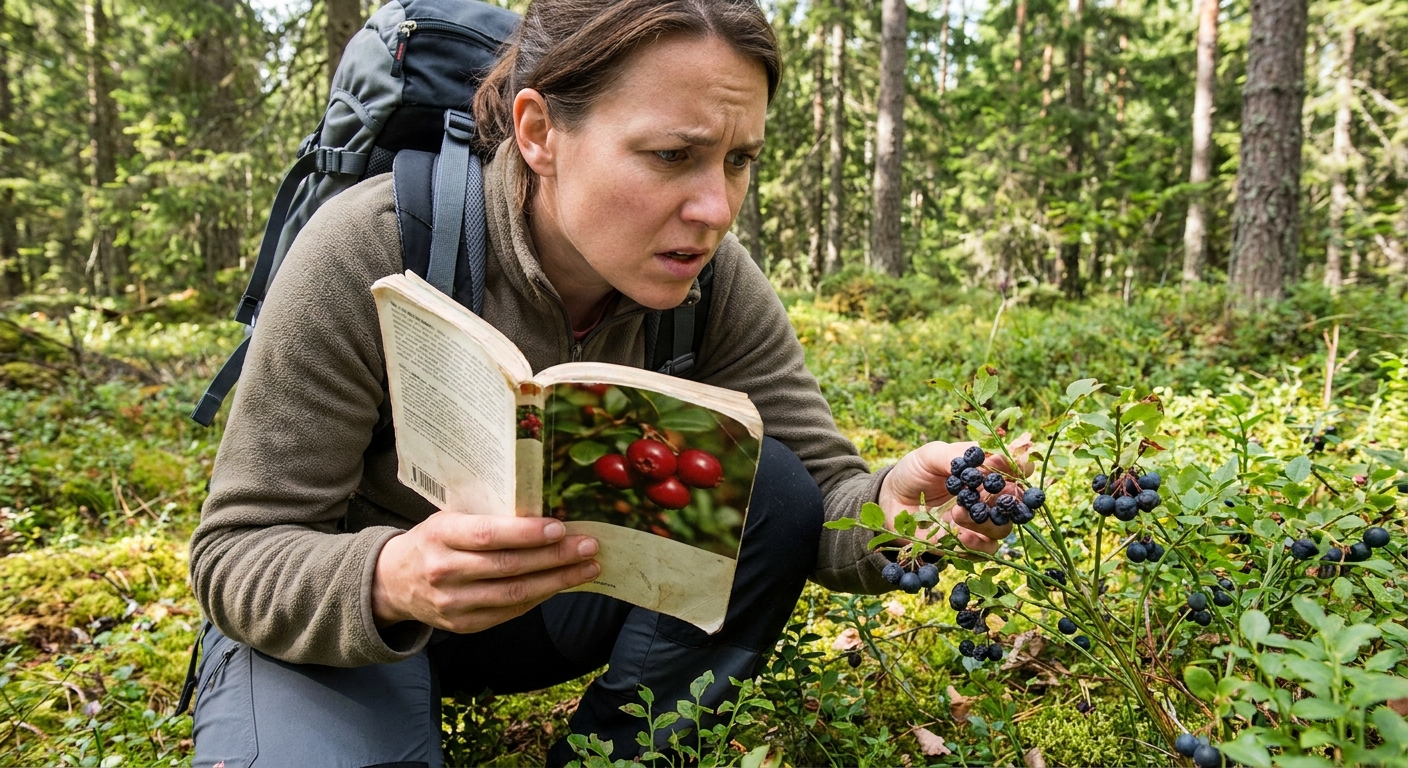
Never eat a berry you can’t confidently place to genus and species. Color alone is meaningless.
Phototoxic Plants to Learn
- Wild Parsnip (Pastinaca sativa):
- Yellow umbels on tall stalks.
- Sap causes blisters when combined with sunlight.
- Giant Hogweed (Heracleum mantegazzianum):
- Massive plant with huge leaves and large white umbels.
- Extremely dangerous sap; often regulated as an invasive.
- Cow Parsnip (Heracleum maximum):
- Native in many regions; can also cause burns; learn to identify clearly.
Practices for Safe Summer Foraging
- Wear long sleeves and pants when near umbel plants and sap-heavy species.
- Carry water and take breaks—decision-making suffers with heat exhaustion.
- Never strip a plant bare; heat-stressed ecosystems need their food producers.
- Use summer to map and photograph plants for study, not just harvest.
Autumn: Roots, Nuts, and Hidden Hazards
What the Landscape Is Doing
- Plants direct energy underground into roots, tubers, and rhizomes.
- Trees and shrubs produce nuts and late fruits.
- Above-ground ID features begin to fade as leaves drop and stems die back.
Root Foraging Risks
Root foraging is advanced. Many deadly species (e.g., water hemlock) have tempting, root-like structures.
General cautions:
- Never harvest roots from wet areas unless you are expert at distinguishing water hemlock and its relatives.
- Learn roots only after you can confidently recognize their above-ground plants across seasons.
Nuts and Seeds: ID Matters
- Acorns (Quercus spp.):
- True oaks have caps on nuts; require proper leaching to remove tannins.
- Learn to distinguish from horse chestnut/buckeye (toxic) and other similar seeds.
- Black Walnuts/Butternuts:
- Large green husks surrounding hard shells.
- Some individuals react to juglone or nut proteins.
- Beech nuts, hazelnuts:
- Distinctive husks and burrs; practice with a field guide.
Practices for Safe Autumn Foraging
- Focus on tree crops you can identify with certainty.
- Document root species for future years rather than rushing to dig.
- Be extra cautious: many plants look withered and generic post-frost.
Winter: Study Season, Not Harvest Season
What the Landscape Is Doing
- Above-ground growth is minimal in cold climates.
- Evergreen species and woody plants dominate the visual field.
Opportunities
- Learn tree and shrub ID by bark and bud.
- Practice recognizing wintergreen species (with caution).
- Study and organize your notes, photos, and field sketches from the past year.
Why Winter Is Ideal for Safety Work
- Less pressure to collect: you can focus on ID.
- Time to compare your notes with regional field guides.
- Plan what to target—and what to avoid—next year.
Using Seasonality as a Safety Check, Not a Shortcut
Season provides context, not proof:
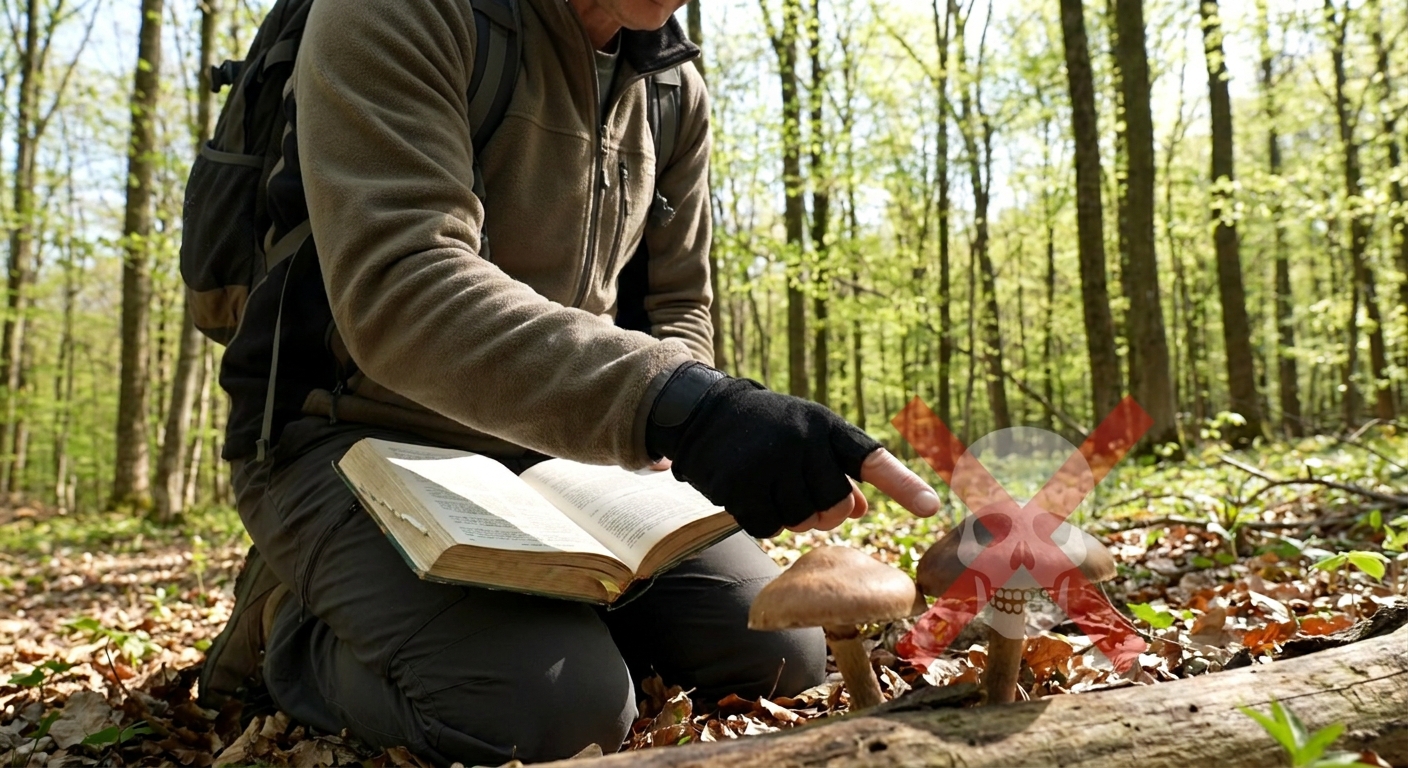
- A mushroom outside of its common season is a red flag, not automatically wrong—but it deserves extra scrutiny.
- An early or late flowering plant may indicate climate anomalies or misidentification.
- If the calendar conflicts with the ID in your guide, pause and investigate.
Ask yourself each time:
- “Does this plant or fungus match what’s expected for this month in my region?”
If not, hold off on harvesting.
Building a Seasonal Foraging Journal
To turn timing into a safety tool:
- Create seasonal pages (Spring, Summer, Autumn, Winter).
Under each, list:
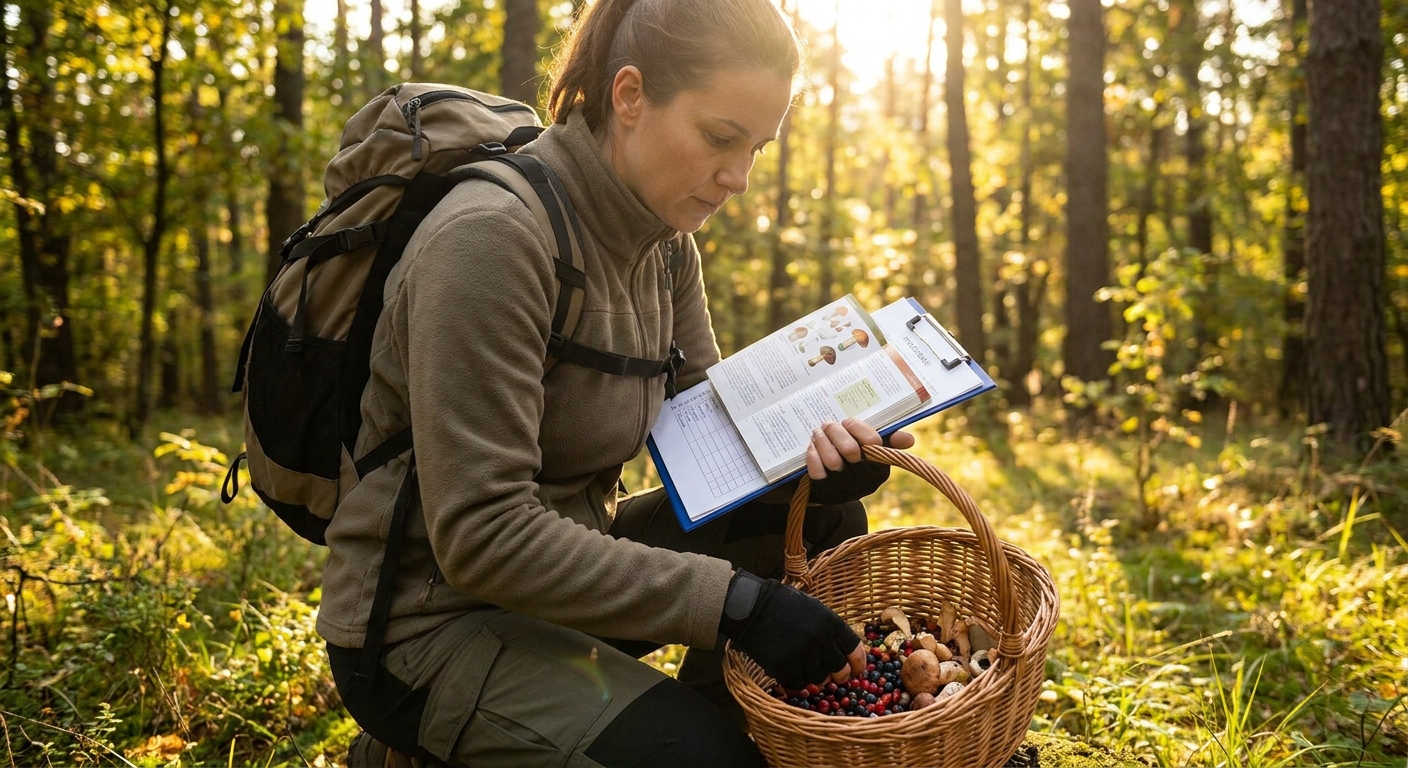
- Species observed. - Phenological stage (bud, flower, fruit, seed, dormancy). - Habitat and conditions (wet/dry, shade/sun, disturbed/undisturbed). 3. Mark “CONFIDENT ID” vs. “UNCERTAIN” for each sighting.
Over a few years, you’ll develop a local phenology map that no general guide can match.
Final Thoughts: Let Time Work in Your Favor
Rushing is the enemy of safe foraging. The more seasons you commit to observation without obligation to harvest, the stronger your identification skills become.
Treat your first years as an apprenticeship:
- Learn which species appear when in your exact climate.
- Notice how habitat moisture, shade, and human impact change timing.
- Use the off-season to study poisonous species* just as diligently as edible ones.
When you let the calendar be your companion instead of a deadline, you give yourself the safest path to a lifetime of wild foods.