Hot, savory stews are one of the safest and most forgiving ways to cook wild foods. Long simmering softens tough fibers, reduces certain plant toxins, and blends flavors into a comforting, trail-ready meal. But “forage and toss in the pot” is not a safe strategy. Every ingredient must be identified, assessed, and prepared carefully.
Why Wild Stews Belong in Your Forager’s Toolkit
This guide walks you through a practical, step‑by‑step process for building safe wild stews and broths, from choosing reliable plants to managing campfire cooking.
Step 1: Choose Dependable, Beginner‑Friendly Ingredients
When learning wild stews, focus on a small roster of well‑studied, easily recognized species.
Reliable Greens
Stinging Nettle (Urtica dioica)
- ID: Opposite serrated leaves, stinging hairs on stems and leaves, square-ish stems. - Habitat: Moist, rich soils, streambanks, old farm sites. - Season: Early spring to early summer. - Key caution: Wear gloves; always cook thoroughly.
Lamb’s Quarters (Chenopodium album)
- ID: Goose‑foot leaves with powdery underside; green to reddish stems. - Habitat: Disturbed soils, gardens, field edges. - Season: Late spring through fall. - Key caution: Avoid overly mature, tough plants; blanch if using large amounts.
Aromatics and Accents
- Wild Onion & Wild Garlic (Allium spp.)
- ID: Hollow or solid grass-like leaves; strong onion/garlic smell when crushed; small bulbs.
- Habitat: Lawns, meadows, open woods.
- Season: Fall through spring, depending on region.
- Look‑alikes warning:
- Death camas (Toxicoscordion venenosum and relatives) and certain lilies have grass-like leaves but no onion smell and can be deadly.
- If it does not smell unmistakably like onion/garlic, do not eat it.
Wild Carrot / Queen Anne’s Lace (Daucus carota) – Advanced
- ID: Finely divided carrot-like leaves; hairy stems; white umbel flowers; often a single dark floret in the center; carrot smell when root is broken. - Habitat: Dry fields, roadsides, open areas. - Season: Roots best in fall/winter of first year. - Serious look‑alikes: Poison hemlock (Conium maculatum) and water hemlock (Cicuta spp.) – deadly poisonous. - Safety rule: Unless you have truly expert guidance and multiple confirmations, avoid wild carrot roots. For beginners, skip them in stews.
For novice foragers, your safest stew base will be cultivated roots (potatoes, carrots) combined with wild greens and alliums that are clearly and repeatedly confirmed.
Step 2: Confirm Identification with Multiple Checks
Before any plant reaches your pot, verify:
- Whole-plant profile: Height, branching, growth habit, seasonal stage.
- Leaf characteristics: Shape, margin (smooth, toothed, lobed), arrangement (opposite, alternate, basal rosette), surface (hairy, smooth).
- Smell and taste: Only after visual ID and only a careful dab on the tongue for known-edible candidates.
- Environment: Avoid roadsides, sprayed fields, industrial zones, and areas with heavy pet use.
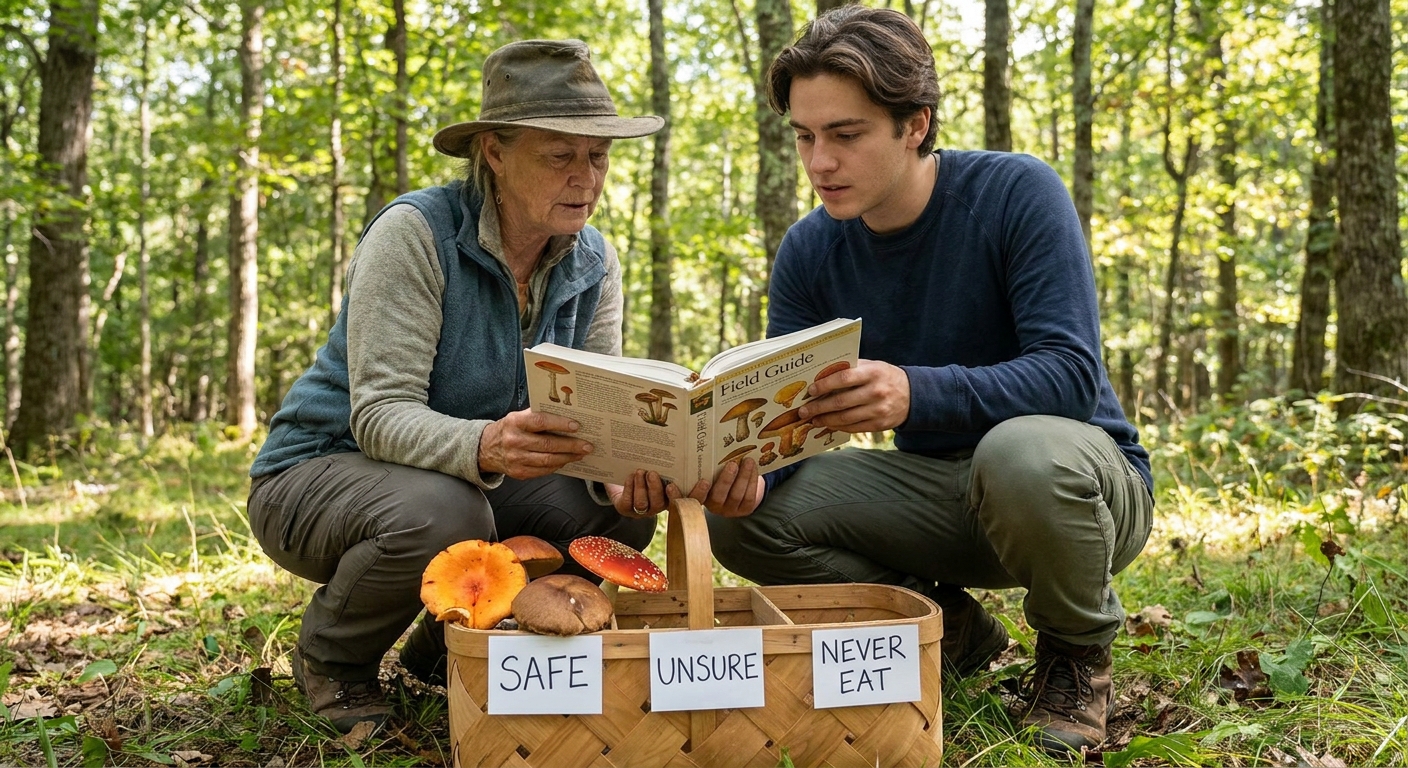
Use at least two sources:
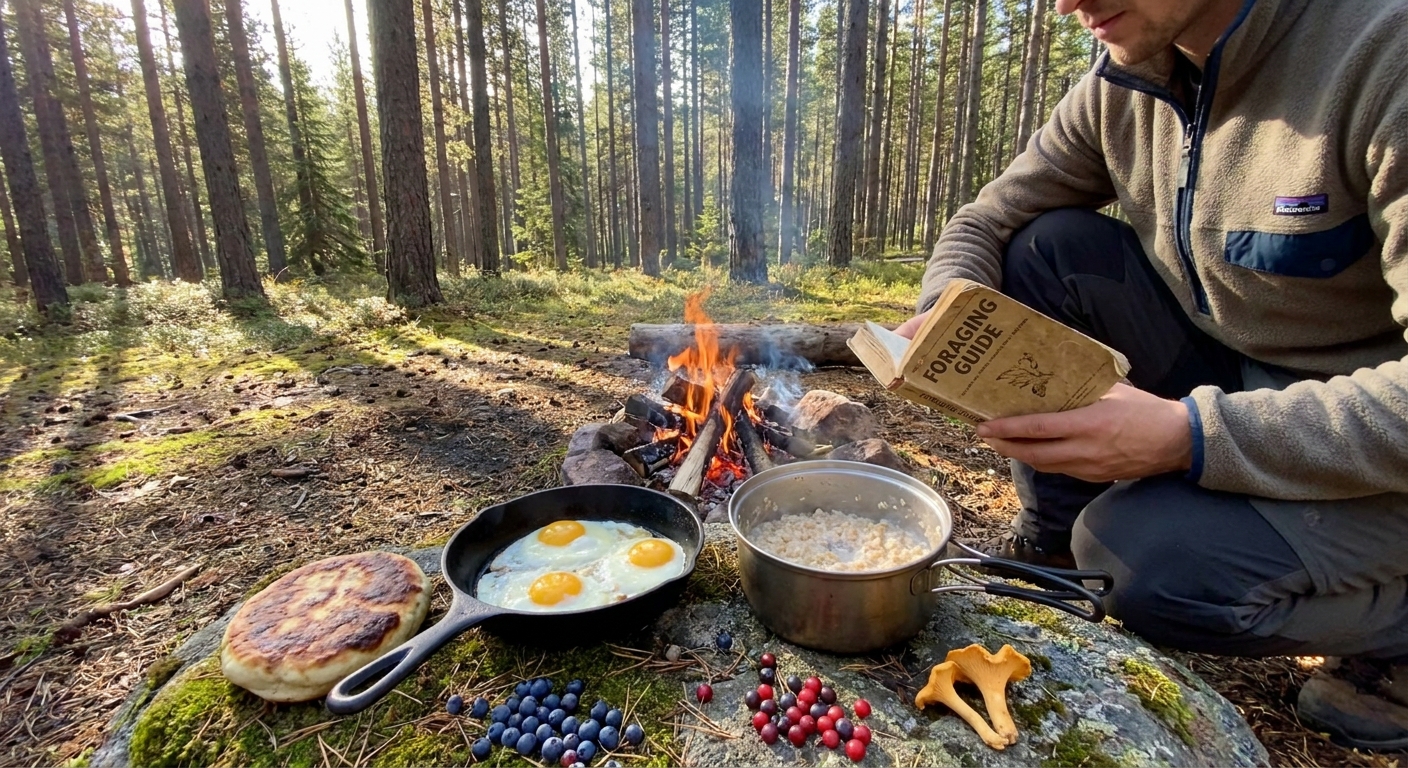
- Regional foraging guidebooks.
- A local mushroom/plant club or mentor.
- Reputable online databases (from universities or extension services).
Non‑negotiable: If your gut says “I’m not entirely sure,” leave it out.
Step 3: Plan a Simple, Flexible Stew Template
Relying on a flexible template lets you substitute different safe wild ingredients without reinventing the recipe.
Basic Wild Stew Framework
- Fat: Oil, butter, or animal fat
- Aromatics: Wild onion/garlic, leeks, or cultivated onion/garlic
- Base vegetables: Potatoes, carrots, parsnips, or other reliable roots
- Wild greens: Nettles, lamb’s quarters, chickweed, dandelion greens
- Broth: Water, vegetable broth, or bone broth
- Seasoning: Salt, pepper, dried herbs, optional safe wild herbs
Always add unknown or bitter wild greens in small proportions alongside familiar ingredients.
Step 4: Safe Harvesting Practices
- Collect away from contamination: At least 50–100 meters from busy roads, and well clear of sprayed fields or golf courses.
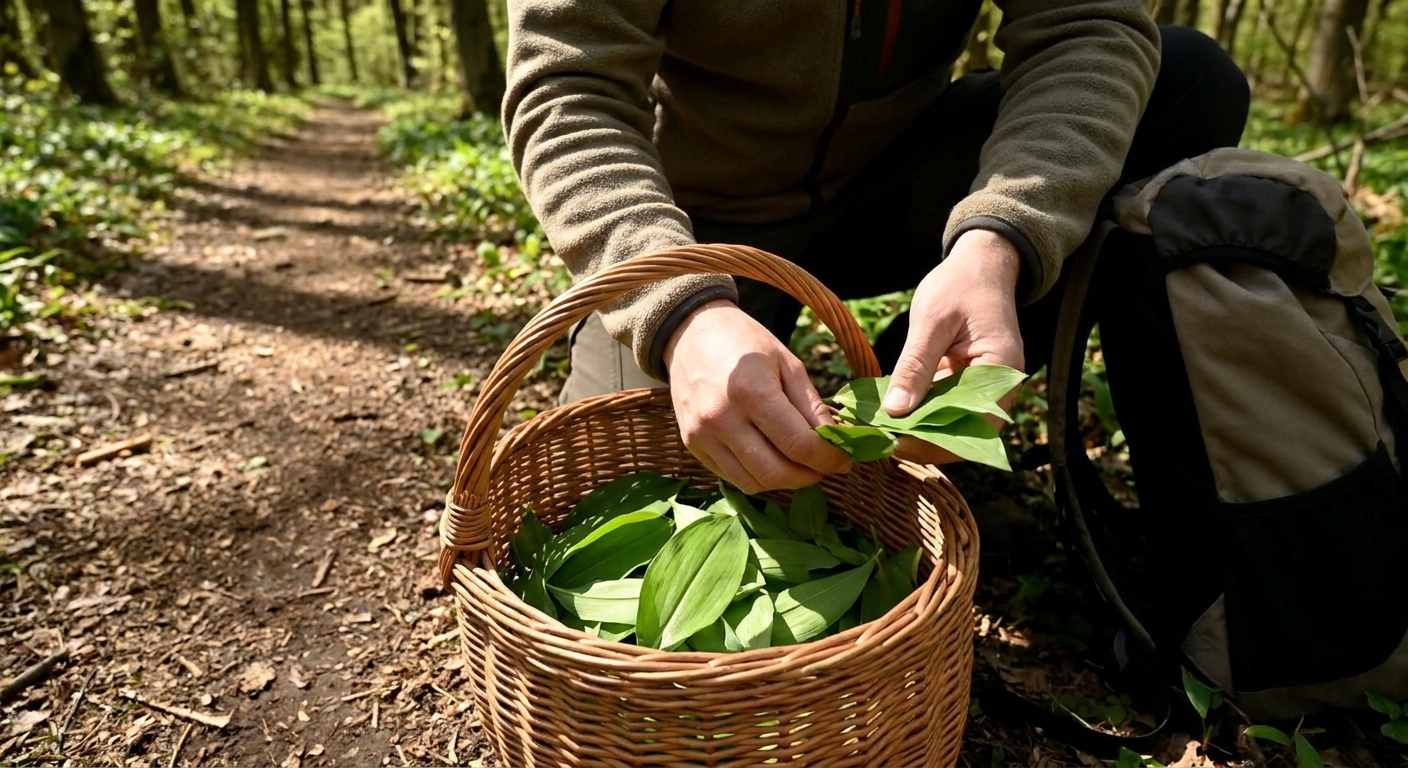
- Harvest young parts: Young nettle tops, lamb’s quarters tips, tender chickweed stems. Older plant parts may contain more nitrates or become fibrous.
- Leave enough for wildlife and regrowth: Never strip a patch. Take less than a third.
- Inspect carefully: Remove insects, damaged leaves, and any plants you’re uncertain about.
Use clean containers—cloth bags or baskets; avoid plastic bags in hot weather, which can cause rapid wilting and spoilage.
Step 5: Cleaning and Pre‑Cooking
Thorough cleaning is your next safety layer.
- Initial sort: On a flat surface, pick out any foreign material (grass, other plants, twigs).
- Rinse: Swish in several changes of cool water until the water is clear.
Blanching (for certain greens):
- Nettles and lamb’s quarters: Blanch for 1–2 minutes in boiling water, then drain. This: - Neutralizes the nettle sting - Reduces oxalates and nitrates - Dandelion greens: A quick blanch can mellow bitterness.
Dispose of blanching water away from streams or water sources to avoid nutrient loading.
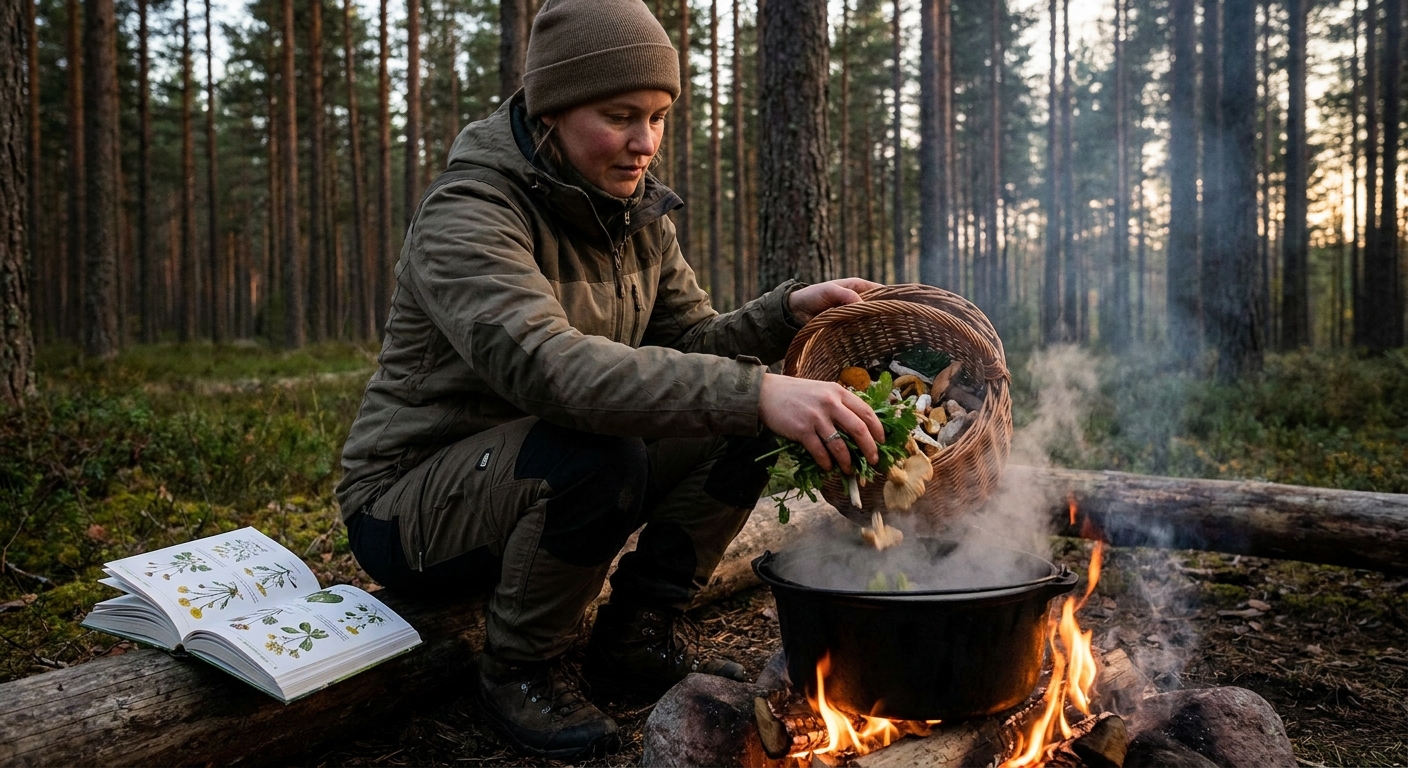
Step 6: Building the Stew Over a Campfire
Cooking over a real fire adds complexity. Control is key.
Fire Management Basics
- Burn wood down to a bed of coals; flames are harder to control.
- Use a stable surface: a grate or flat rocks.
- Keep a pot lifter and fireproof gloves handy.
Campfire Wild Green Stew (Example)
Ingredients (serves 2–3):
- 2 tbsp oil or butter
- 1 cup chopped wild onion/garlic (or 1 medium cultivated onion)
- 2–3 potatoes, cubed
- 1 carrot, chopped
- 2–3 cups broth or water
- 1 cup blanched nettles, chopped
- 1 cup blanched lamb’s quarters or dandelion greens, chopped
- Salt and pepper to taste
Method:
Sauté aromatics:
- Heat fat in a sturdy pot over coals. - Add chopped onion/garlic and cook until soft and fragrant.
Add roots:
- Stir in potatoes and carrot. - Cook a few minutes to coat with fat and begin softening.
Pour in liquid:
- Add broth or water, just enough to cover. - Bring to a gentle simmer—not a violent boil.
Simmer until tender:
- Cook 15–25 minutes, depending on heat, until roots are nearly done.
Add greens:
- Stir in chopped, blanched wild greens. - Simmer an additional 5–10 minutes.
Season and rest:
- Add salt, pepper, and any safe herbs. - Let rest off heat for 5 minutes before serving.
Tip: Keep a small amount of extra hot water ready to adjust stew thickness as needed.
Step 7: Watch for Adverse Reactions
Even with correctly identified, known-edible plants, individual reactions can occur.
- First-time foods: Eat a modest portion and wait an hour.
- Symptoms to watch for: Itching, tingling lips, nausea, cramping, dizziness.
- If several people are sharing the stew, everyone should start with small servings.
If severe symptoms appear (difficulty breathing, swelling, confusion), seek medical help immediately.
Optional: Adding Safe Wild Mushrooms
Mushrooms can turn a simple stew into a rich, satisfying meal—but only if you have solid identification skills.
Good Candidates for Experienced Mushroom Foragers
- Morels (Morchella spp.): Distinctive honeycomb cap, hollow interior.
- Look‑alikes: False morels (Gyromitra), some of which are toxic.
- Chicken of the Woods (Laetiporus spp.): Bright orange shelves on trees, firm, meaty texture.
- Look‑alikes: Some tree polypores, often harmless but not all are edible.
Rule: Never eat a mushroom you learned from a single photo or app ID. Use local clubs and multiple references. When in doubt, leave it out.
Always cook wild mushrooms thoroughly before adding to stew.
Safe Substitutions When You’re Unsure
If you planned for wild nettles and only find questionable look‑alikes, you can:
- Use cultivated spinach or kale instead.
- Swap uncertain wild onion for store‑bought garlic.
- Leave the questionable ingredient out entirely and enjoy a simpler stew.
Your safety matters more than “authenticity.” A basic potato‑carrot‑onion stew is still a fine meal.
Final Thoughts: Slow, Steady, and Systematic
Safe wild stews come from a methodical mindset:
- Choose reliable species.
- Confirm with multiple checks.
- Harvest in clean locations.
- Clean and pre‑cook thoughtfully.
- Build stews around known-safe ingredients.
- Introduce new plants slowly.
Treat every pot as both a meal and a lesson. Over time your list of “trusted ingredients” will grow, and your campfire stews will carry the character of each landscape you walk—without compromising safety.